
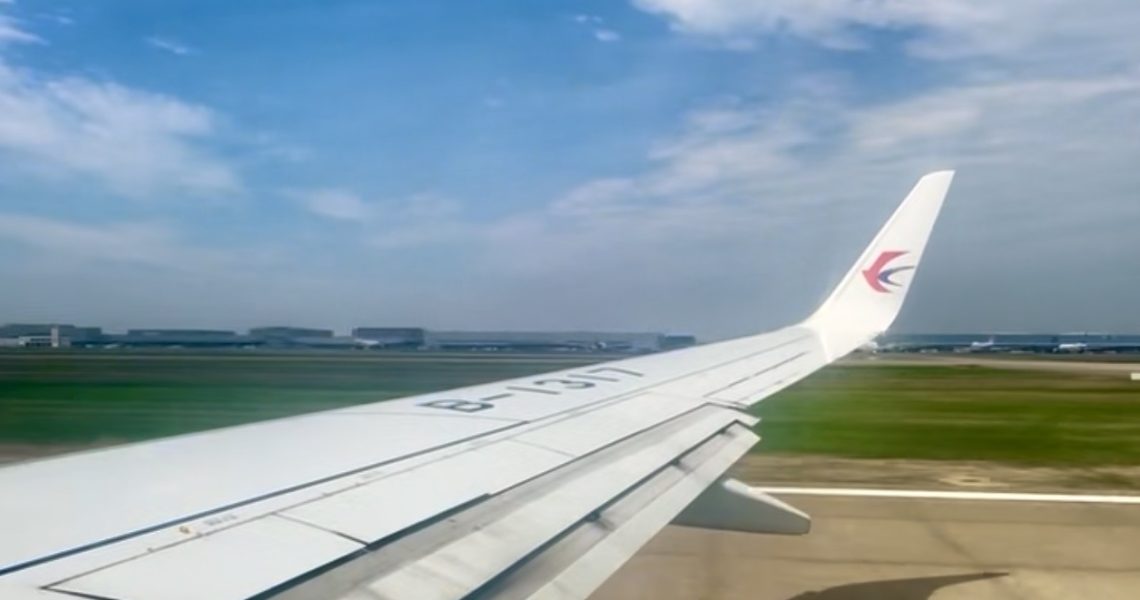
In reality, most people with a fear of flying know logically that flying is safe. Yet their body still reacts with anxiety, dread or panic when they think about boarding a plane.
So why does it happen?
The Stress Bucket and How Phobias Begin
In Solution Focused Hypnotherapy we often talk about the stress bucket.
When life becomes busy, demanding or emotionally overwhelming, that bucket gradually fills with stress. If it becomes too full, the brain moves into a more anxious and reactive state.
When this happens, the mind often tries to attach that anxious feeling to something nearby that seems to explain it.
Perhaps someone had a slightly uncomfortable flight, turbulence, a delayed take off, feeling trapped in the cabin or simply travelling when they were already tired and stressed.
The brain then pattern matches the anxiety to the situation, deciding that flying must be the cause.
From that moment, flying becomes associated with fear.
This is actually how many phobias develop.
If someone is extremely stressed and something startling happens, being pushed unexpectedly into a swimming pool, seeing a clown on stage, encountering a dog or even a large lorry passing by, the brain may link the anxiety to that moment.
The object or situation then becomes the focus of the fear.
Why Phobias Often Get Worse Over Time
A phobia is one of the few issues that rarely improves with time alone.
In fact, it often becomes stronger.
This happens because people naturally begin to avoid the thing they fear. Each time they avoid it, the brain interprets this as confirmation that the situation must have been dangerous.
The pattern becomes stronger.
Understanding That a Phobia Is an Emotional Response
The important thing to understand is that a phobia is not a logical problem, it is an emotional response created by the brain.
Once we work with the brain at this emotional level, the response can change.
Step One: Reducing Stress
The first step is to begin emptying the stress bucket.
Trance and hypnosis are extremely effective for reducing stress and helping the brain move out of the anxious state that fuels phobias.
When the brain is calmer, it becomes far easier to update old patterns.
For some phobias, particularly non-specific ones that cannot easily be avoided, such as fear of vomiting, reducing stress alone can make a significant difference.
However, when a phobia focuses on a specific subject such as flying, spiders, dogs, swimming, clowns or buttons, we also use techniques to remove the emotional charge.
Step Two: Removing the Emotional Charge
One technique used draws on principles from NLP.
The client imagines the feared situation as though they are watching it like a film in their mind.
The memory or thought is replayed several times. Then we begin to change the way the brain processes it, running the “film” forwards and backwards, altering colours, speed or even imagining it as a cartoon.
Repeating this process allows the brain to gradually detach the emotional response from the memory, it actually becomes boring, we want you to be nicely bored!
Step Three: Rehearsing a Positive Flight
Once the emotional intensity has reduced, we create a new mental experience.
The client imagines going on a wonderful trip in vivid detail, arriving at the airport, checking in luggage, waiting at the gate and perhaps browsing the shops.
They imagine boarding the aircraft, settling into their seat, enjoying the take-off, watching a film during the flight, having a snack and then the smooth landing.
They picture walking through the airport, collecting luggage and heading off to their destination.
This mental rehearsal is powerful because the brain does not strongly distinguish between vivid imagination and real experience.
From the mind’s perspective, the person has already successfully flown.
Why Taking a Flight Soon After Treatment Helps
For many people it helps to take a flight fairly soon after treatment.
This allows the brain to reinforce the new pattern while confidence is high.
Once someone has flown successfully, their confidence often grows quickly and flying becomes easier and easier.
What once felt frightening simply becomes the gateway to travel, adventure and new experiences.
Ready to Feel Calm About Flying?
Fear of flying is extremely common, and it is also very treatable.
Using Solution Focused Hypnotherapy, many clients find their fear reduces quickly as we help the brain release the emotional response attached to flying.
Sessions are available online or in person.
If fear of flying has been limiting your travel, you can book an Initial Consultation to learn how the brain creates phobias and how we can help resolve them.